
You Are More Capable Than You Think – The Hidden Cost of Self-Doubt
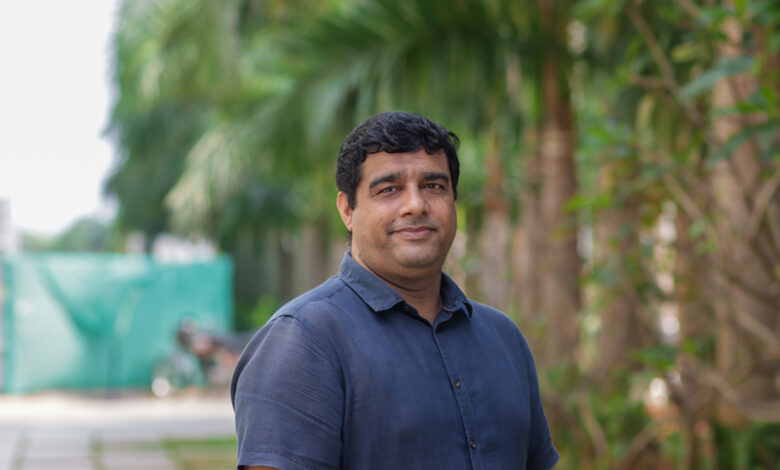
By – Dr. Pavithra .M R
Assistant Professor,Easwari School of Liberal Arts,SRM University – AP ( Amaravati)


When Ability and Belief Do Not Match
Some of the most capable people we meet do not always feel capable themselves. They have the knowledge, experience and skills to do something well, yet they hesitate when an opportunity comes their way. They wonder whether they are ready, whether others are better than them or whether they might fail. This is the confidence gap: the distance between what we are actually capable of doing and what we believe we can do. It can quietly influence important decisions. A talented student may hesitate to participate in a competition. An experienced employee may avoid applying for a senior position. A capable professional may remain silent in a meeting even when they have something valuable to say. The ability is there but the belief is missing.
Doubt Does Not Mean You Are Weak
We often assume that confident people never doubt themselves. That is not true. Confidence does not mean having an answer to every question or feeling comfortable in every situation. A confident person can say, “I don’t know,” and still believe they can learn. They can make a mistake without concluding that they are a failure. In fact, people who know a subject well sometimes doubt themselves precisely because they understand how complicated it can be. The more we learn, the more we realise how much there is still to learn. That awareness can sometimes be mistaken for insecurity.
The Comparison Trap
One of the biggest causes of self-doubt is comparison. We see someone receiving a promotion, speaking confidently at a meeting, starting a successful business or achieving something remarkable. We see the result but we rarely see the uncertainty, rejection and failed attempts that came before it. Social media makes this even worse because we are constantly exposed to carefully selected versions of other people’s lives. Their achievements are visible; their struggles are usually private. As a result, we compare our everyday reality with someone else’s highlight reel. That is an unfair comparison. There will always be someone who is ahead of us in one area but that does not mean we are behind in life.
The Danger of Waiting to Feel Ready
Self-doubt becomes a serious problem when it starts making our decisions for us. We tell ourselves that we will apply when we are more experienced, speak when we know more or try when we feel confident. The problem is that confidence often comes after action, not before it. Think about learning to drive. Nobody becomes confident by sitting in the passenger seat and waiting for confidence to arrive. Confidence develops by driving, making small mistakes, learning and trying again. The same is true in careers and life. The first presentation may be uncomfortable. The first leadership responsibility may feel overwhelming. The first attempt at something new may not go perfectly. But each experience gives us evidence that we can handle more than we thought.
Give Yourself Permission to Learn
Another reason people lose confidence is that they expect themselves to be good immediately. A new manager thinks they should know how to handle every situation. A young professional believes they should already have all the answers. A student feels embarrassed about asking a basic question. But nobody starts as an expert. Every experienced professional was once new. Every good speaker once struggled with their first presentation. Every successful leader once had a first day in a leadership role. Being inexperienced at something does not mean being incapable of learning it. Sometimes, we do not need more confidence. We simply need to give ourselves permission to be a beginner.
Confidence Is Not Arrogance
There is an important difference between confidence and arrogance. Arrogance says, “I know everything.” Confidence says, “I know what I can do and I am willing to learn what I cannot.” A genuinely confident person does not need to dominate every conversation or prove that they are the smartest person in the room. They can listen, ask questions, accept criticism and change their mind. Confidence is not about believing you are better than others. It is about trusting yourself enough to participate, contribute and keep learning.
Look at the Evidence
When self-doubt becomes loud, it helps to look at evidence rather than emotion. Have you solved difficult problems before? Have you learned something that once seemed impossible? Have you handled situations that once frightened you? Have you recovered from failure? If the answer is yes, then you already have evidence of your ability. One difficult day should not erase years of experience. One rejection should not become a definition of your worth. One mistake should not become a permanent label. We often remember our failures more vividly than our successes. Perhaps we need to do the opposite sometimes.
Do Not Let Doubt Make the Decision
Self-doubt may never disappear completely. Even highly accomplished people can feel uncertain when they face something new. The goal, therefore, is not to become a person who never doubts themselves. The goal is to become a person who does not allow doubt to make every important decision. Apply for the opportunity. Ask the question. Share the idea. Take the responsibility. Start the new journey. You may not feel completely ready and that is fine.Confidence is not the absence of fear or doubt. It is the decision to move forward despite them.Sometimes, the biggest obstacle between us and the opportunity we want is not a lack of ability. It is our failure to recognise the ability we already have.