
Brain Rot: Is Endless Scrolling Changing the Way We Think?
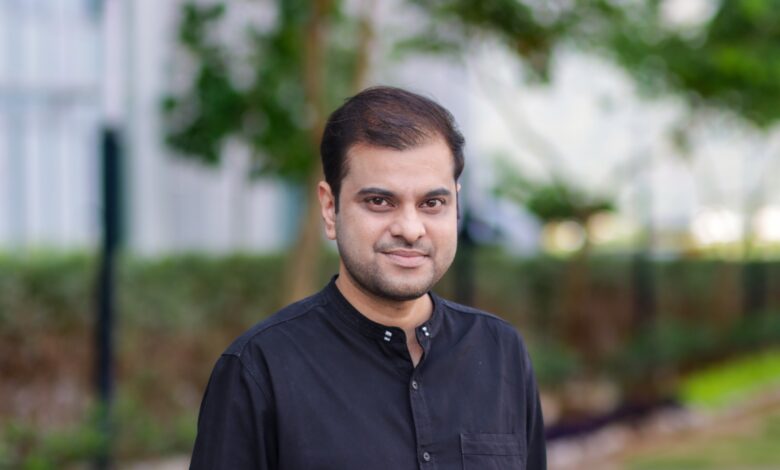
Dr. Arijit Datta
Assistant Professor, Department of Electronics & Communication Engineering, SRM University-AP


We live in a strange age. Never have we had so much knowledge at our fingertips, and never have we felt so mentally drained. One swipe gives us access to everything humans have ever learned, yet somewhere between the scrolling and the swiping, that knowledge slips right through our fingers. Today’s biggest battle isn’t for money or power. It’s for our attention.
This is where the phrase “brain rot” comes in. It’s Oxford’s 2024 Word of the Year, and the internet’s own name for how it feels after hours of mindless scrolling: foggy, tired, and strangely empty. It’s a small phrase pointing at a big problem, a culture full of content but starved of depth.
Our brains evolved to focus on one thing at a time, not to be pulled in every direction at once. But social media does exactly that. It serves up an endless stream of new things: a joke, a sad story, an ad, someone’s breakup, each one grabbing our attention before we’ve even finished processing the last. This constant switching doesn’t just entertain us. It breaks our thinking into pieces, teaching the brain to always want the next thing instead of paying attention to what’s right in front of it.
Psychologists have a name for this: cognitive superficiality, the habit of skimming instead of understanding, reacting instead of thinking things through. Reading a real book or solving a hard problem takes sustained focus. And that’s exactly what nonstop scrolling wears down.
There’s a quieter loss too: boredom is disappearing. The idle minutes we used to spend waiting in line or riding the bus gave our minds space to wander, daydream, and come up with new ideas. Phones fill those minutes instantly now. By getting rid of boredom, we may be getting rid of the very thing that sparks original thought.
There’s an emotional cost as well. Algorithms are built to reward outrage and shock, because those feelings keep us glued to the screen the longest. The result? Many of us feel more anxious than informed, connected for hours, yet somehow still feeling worn out and alone.
None of this means technology is the villain. The same apps have made education more accessible and connected people across the world. The real challenge isn’t to quit our screens. It’s to use them on purpose. Turning off unnecessary notifications, making time for longer reading, and allowing ourselves a little boredom again can go a long way.
In the end, the real risk of endless scrolling isn’t the time it eats up. It’s the habits of mind it leaves behind. As AI takes over more of the heavy lifting when it comes to processing information, our most valuable skill won’t be how much we can take in, but how well we can slow down, ask questions, and actually think. In a world where attention is currency, protecting our ability to think clearly might be the smartest investment we can make.